Heart Valve Disease
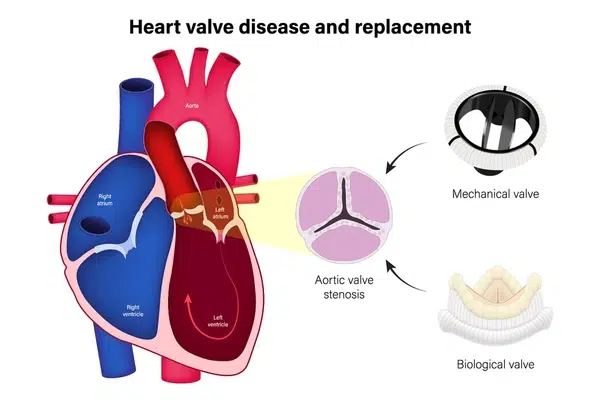
Heart valve disease is when a heart valve is narrowed (stenosis) or leaking (regurgitation), making the heart work harder. It is treated by repairing the valve
Heart valve disease is when a heart valve is narrowed (stenosis) or leaking (regurgitation), making the heart work harder. It is treated by repairing the valve or replacing it with a mechanical or tissue valve. VNR coordinates valve surgery at DDMM Heart Institute in India.
What it is
The heart's valves keep blood flowing in one direction. When a valve narrows or leaks, the heart works harder and, over time, can fail. The aortic and mitral valves are most commonly affected.
Treatment is either repair (preserving your own valve where possible) or replacement with a mechanical or tissue valve, decided from your echocardiogram and overall health.
Common symptoms
- Breathlessness, especially on exertion
- Fatigue and reduced stamina
- Palpitations
- Swelling of the ankles or legs
- A heart murmur found by your doctor
How it is diagnosed
Valve disease is assessed mainly with an echocardiogram, which shows which valve is affected and how severe the narrowing or leak is.
Treatment options & cost
Common Questions
FAQs: Heart Valve Disease
When a valve can be repaired, repair preserves your own valve and may avoid lifelong blood thinners. Whether repair is possible depends on the valve and disease — the DDMM team advises after your echo.
Send your echocardiogram for a free review. The cardiac team will advise whether surgery is needed and whether repair or replacement is appropriate.
Send us your cardiac reports. We reply within 48 hours.
Free clinical review by the DDMM cardiac team. No obligation. Our international patient coordinators reply 7 days a week.