Heart Attack & Acute Coronary Syndrome
A heart attack (part of acute coronary syndrome) happens when a coronary artery is suddenly blocked, cutting off blood to the heart muscle. Emergency treatment
A heart attack (part of acute coronary syndrome) happens when a coronary artery is suddenly blocked, cutting off blood to the heart muscle. Emergency treatment is primary PCI (emergency angioplasty) to reopen the artery, followed by ongoing cardiac care. For non-emergency follow-up and further treatment, VNR coordinates care at DDMM Heart Institute in India.
What it is
During a heart attack, a coronary artery is suddenly blocked and heart muscle is at risk — emergency treatment is time-critical.
After the emergency is managed, further treatment such as additional stenting or bypass may be needed to protect the heart, based on the coronary anatomy.
Common symptoms
- Severe or persistent chest pain or pressure
- Pain spreading to the arm, neck or jaw
- Sudden breathlessness
- Sweating, nausea or collapse
How it is diagnosed
After stabilisation, tests including ECG, blood tests and coronary angiography determine the extent of disease and what further treatment is needed.
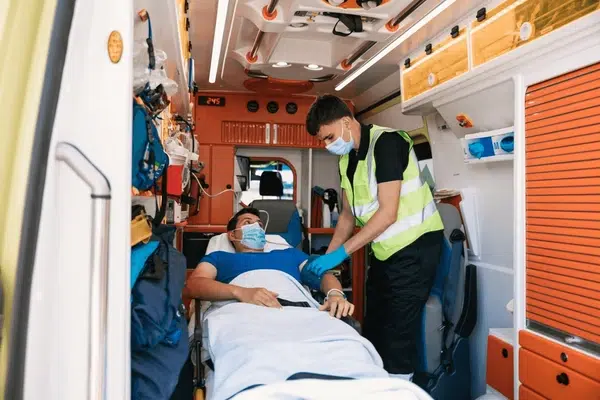
Treatment options & cost
Emergency Cardiac Care & Primary PCI
Emergency angioplasty to reopen a blocked artery during a heart attack.
Learn more →Common Questions
FAQs: Heart Attack & Acute Coronary Syndrome
If you are having a suspected heart attack, contact your local emergency services immediately. This page is for understanding the condition and arranging follow-up or further cardiac treatment.
After emergency care, you may need additional stenting or bypass depending on your coronary anatomy. VNR can coordinate a review and treatment plan at DDMM.
Send us your cardiac reports. We reply within 48 hours.
Free clinical review by the DDMM cardiac team. No obligation. Our international patient coordinators reply 7 days a week.